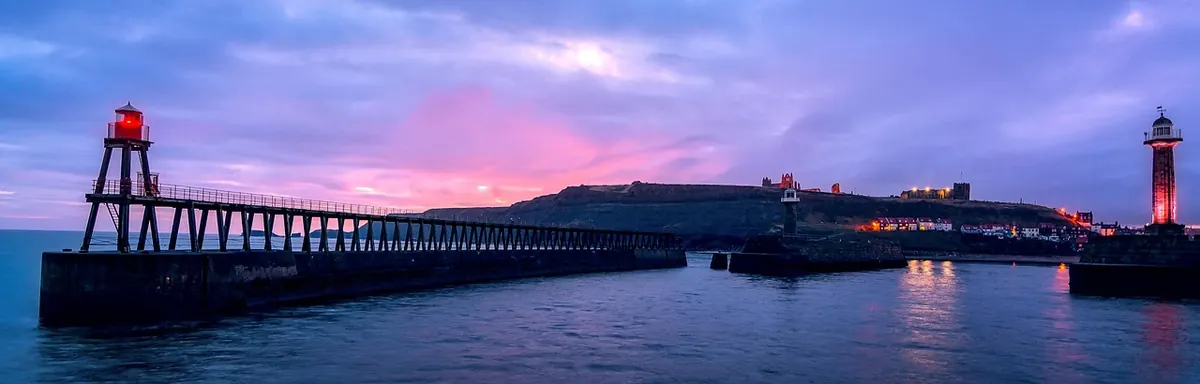
How to Book a Waterfront Table on a Summer Weekend
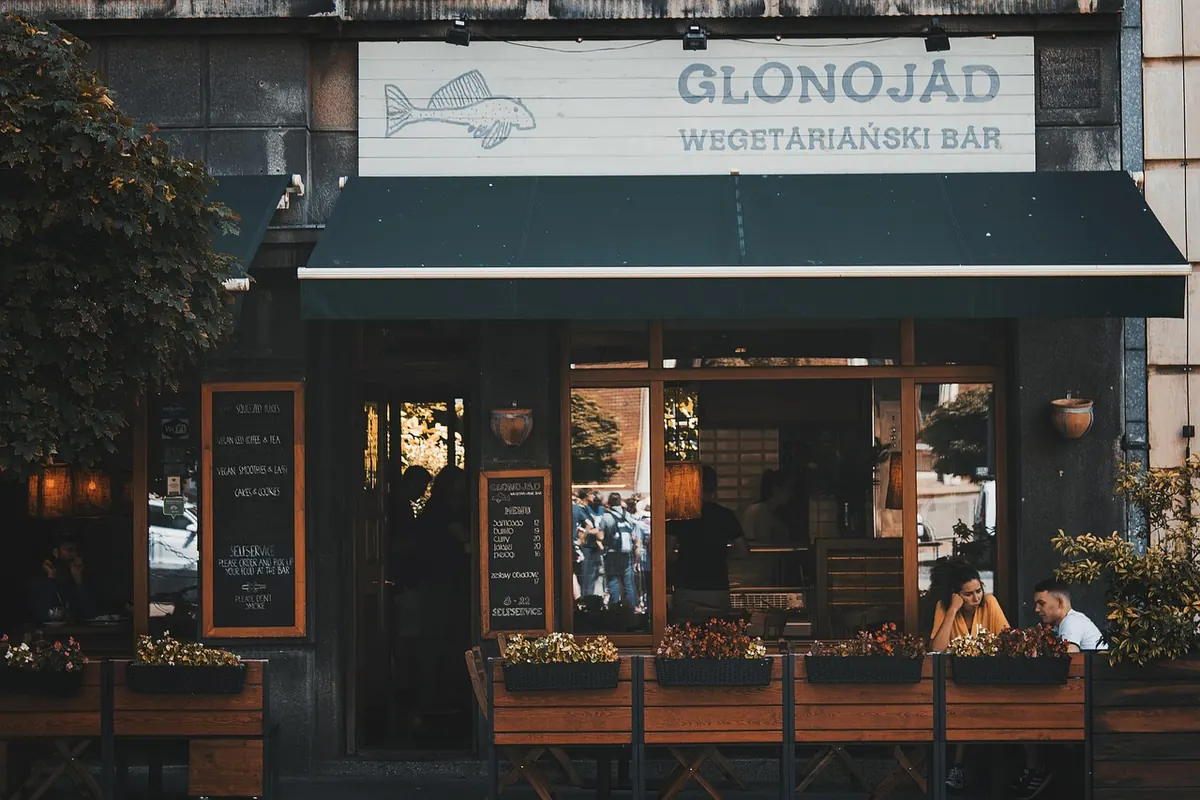
A waterfront table on a Saturday in July is not really a reservation. It is a small piece of prime real estate that several other people also want, and the guest who gets it is usually the one who called first, asked precisely, and had a plan for rain.
The good news is that this is a repeatable process rather than luck. It takes a couple of well-timed phone calls, a sentence or two of specific language, and enough flexibility to accept a Tuesday sunset when Saturday is gone.
Most harbour restaurants open their books on a fixed window — 30, 60 or 90 days ahead — and the tables closest to the water go in the first few hours. Find out when that window opens, usually noted on the reservation page, and set a reminder for that morning. Calling on day one beats calling on day ten every time.
If you are already inside the two-week mark, do not give up. Cancellations cluster in predictable pockets: the Friday afternoon before, the morning of, and roughly two hours before service, when a group realises it will not make it. A phone call gets you further than an online booking here, because a host can see the floor plan and the website cannot.
The most desirable time is rarely the best time. A 7:30 Saturday table is the one everybody asks for. The second seating after 8:30, the early slot between 5:00 and 5:45, and lunch on the water are all easier to get, and the view does not check the clock.
"A table on the water" is too vague to be useful. The host will hear it as "any table," and you will end up one row back with a view of a planter. Learn the geography of the place before you call, because most waterfront restaurants have tiers: a rail or deck at the water's edge, a patio a step or two behind it, and an indoor room with windows. These are not the same table.
Ask directly: "Is there anything open on the rail?" or "Could we be in the first row of the patio?" If the answer is no, ask what the next best option is and what time it opens up.
A few things worth asking in the same call:
If you are marking something — a birthday, an anniversary, a first visit from out-of-town family — say so once, briefly, then move on. Hosts respond to a specific, easy request far better than to a long story.
Call the day before, at a quiet hour, and confirm the name on the booking and the time. If your plans shift, release the table rather than simply not showing up. Hosts remember no-shows, and they also remember the guest who cancelled politely and booked again in September.
On the night, arrive ten minutes early and check in with the host rather than standing at the bar with your back to the door. Tables turn early all the time, and the party that is present and visible tends to get the one that just cleared. If you are running late, phone — most places hold a reservation for around fifteen minutes before releasing it.
Keep the bar in mind too. At plenty of harbour restaurants, rail tables and bar seats open up to walk-ins as the evening moves along. Two seats at the bar, the same view, no booking required, and often the quickest service in the building.
Ask one blunt question when you book: if it rains, do you move us inside or cancel us? The answer changes what you should do. Some patios are fully covered and only need the side screens dropped. Others are open to the sky, and a passing shower wipes out the whole seating.
Wind matters on a harbour as much as rain. A breezy evening makes an exposed deck cold and complicated — napkins, glasses, hair — while a table behind glass or under an awning can be perfectly pleasant. If the forecast is unsettled, ask whether any indoor window tables are held back for exactly this situation. Many restaurants keep a few.
Sensible backups, in order of preference:
Tell the host you will happily take an inside table if the weather turns. Restaurants reward guests who make the evening simple.
In a working harbour town, the restaurant's rhythm follows the season and the water. Dinner starts later than it does in the city: 6:00 is early, 8:30 is the crush, and locals who know the place eat at 5:30 in June or wait until September. In July they eat at the bar.
Servers in high season carry more tables than anyone should have to. Be ready to order when they arrive, and be clear about wanting the check if you are finished. At the same time, a waterfront table is made for lingering. If nobody has told you when the table is needed back, ask, then enjoy it without guilt.
A few local habits worth knowing:
One more: do not move tables or chairs to chase the view. Staff have a seating plan for a reason, and asking politely at the start works better than rearranging things at the end.
Find the day the books open and call that morning. Ask for the rail, not "the water." Confirm the day before, arrive early, and leave a phone number that gets answered. Ask what happens in the rain, and be the guest who says yes to an inside table instead of the one who quietly disappears. Then sit down, order something cold, and let the harbour do the rest.
Photo: DimaLiss / Pixabay
Previous Post
Waterfront vs. Water View: What Buyers Actually Pay For
Next Post
5 Common Mistakes When Choosing a Waterfront Restaurant for a Special Occasion