How to Join a Harbour Cleanup Crew: A Beginner's Guide to Volunteering
The tide goes out and there it is: bottle caps pressed into the mud, a knot of fishing line, half a traffic cone, a shopping trolley that has been underwater long enough to grow barnacles. Anyone who lives near a working harbour knows the look. What is less obvious is how to help without getting in the way — where to find a crew, what to wear, and how to read the water so you are not the person the organiser spends the afternoon looking for.
Harbour cleanups are one of the few volunteer gigs where you can see the result of two hours' work stacked in a pile at your feet. Here is how to start well.
Most harbour cleanups are not run by one big organisation. They are run by a patchwork of local groups, clubs and harbour staff who know which corner collects the most litter after a south-westerly. Finding them takes a few phone calls, not a job application.
Where exactly does the crew work, and how do you get to the site — is there parking, or do you meet at a slipway? Is there a designated leader on the day, and does the group carry insurance and a first-aid kit? Do they supply gloves, pickers, bags and a sharps container, or do you bring your own? What is the ground like — flat mud, shingle, rock, steep steps? And how long is a typical shift: ninety minutes, or a four-hour push?
Ask that last one. A group that finishes with a coffee is a different commitment from one that fills a skip.
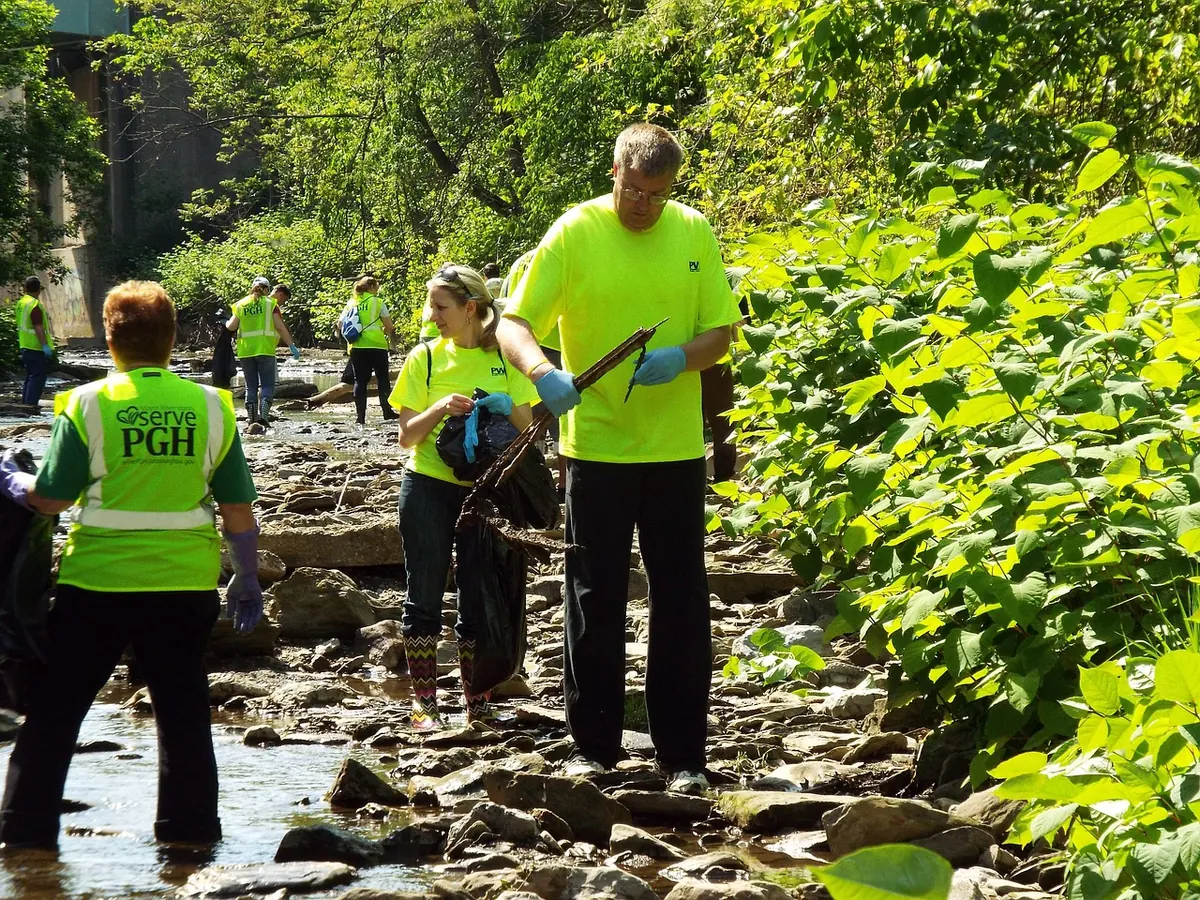
You do not need specialist kit for a first shift, but the wrong clothing will end your morning early. Harbour shorelines combine three unpleasant things: cold, wet ground, and debris that cuts.
If you cannot identify it, do not pick it up. Mark the spot, step away, and tell the organiser.
That rule covers needles and syringes, medical waste, unknown drums, and any container still holding liquid. Most established crews carry a sharps box and a procedure for flagged items; let them use it. If you have a medical condition, allergy or injury that matters on the day, tell the leader at the briefing and keep whatever you need on you. And if your tetanus vaccination is not up to date, sort that out with your doctor before you spend a morning handling rusty wire and broken glass.
Tides run on roughly a twelve-and-a-half-hour cycle, so most shores get two high and two low waters a day. Spring tides, around the new and full moon, pull the water further out and give you the widest working window. Neap tides leave more water in place and less beach to work with.
Cleanups are usually scheduled on a falling tide, so the water retreats in front of you and returns behind you. That is comfortable, but it is not a guarantee. Before you start, know the time of the next high water, not just the current low. Notice the wind — a strong onshore breeze pushes water in faster than the table suggests. And look behind you: on a rising tide, work facing the water, never with your back to it.
Two more habits worth forming. Set a phone alarm for the turnaround time the organiser gives you, so you leave the outer edge with time to spare. And stay off soft mud flats you do not know; harbour and estuary mud can be genuinely dangerous, and local advice on which areas to avoid is not overcautious.
You will not clear the harbour. No crew has ever cleared a harbour in one morning, and the point is the pile, the data and the habit, not the fantasy of a pristine quay. Most of what you collect will be small — fragments, cigarette butts, bottle caps, fragments of polystyrene, lengths of line that are lethal to birds. You will get muddy, you will kneel in something unpleasant, and on some days you will find something genuinely upsetting. That is normal. Say so, and keep going.
Nobody expects you to have done this before. On a first shift, being reliable and following the briefing is the whole job.
Sign up for a recurring slot rather than a single event. The second and third shifts are where you become genuinely useful, because you learn where the trolleys collect and which corner gets the most line. Pick one site and return to it — repeat visits turn a morning of tidying into real knowledge about a place.
If you cannot lift or bend, you are still wanted. Groups need people to tally items, hand out gloves, run the sign-in sheet and make tea, and those roles matter more than they sound.
Before your first shift, do five things: find the group and confirm the meeting point; check the tide table and the forecast; pack gloves, closed boots and long sleeves; tell the organiser about any medical condition; and set an alarm for the turnaround time. Then turn up ten minutes early and let the crew show you the rest.
Photo: antoinetteforwine / Pixabay
Previous Post
Boat Maintenance Mistakes to Avoid in Saltwater Harbours
Next Post
Local Waterfront History: An Explainer on Harbour Quarter's Tidal Landmarks