5 Common Mistakes When Choosing a Waterfront Restaurant for a Special Occasion
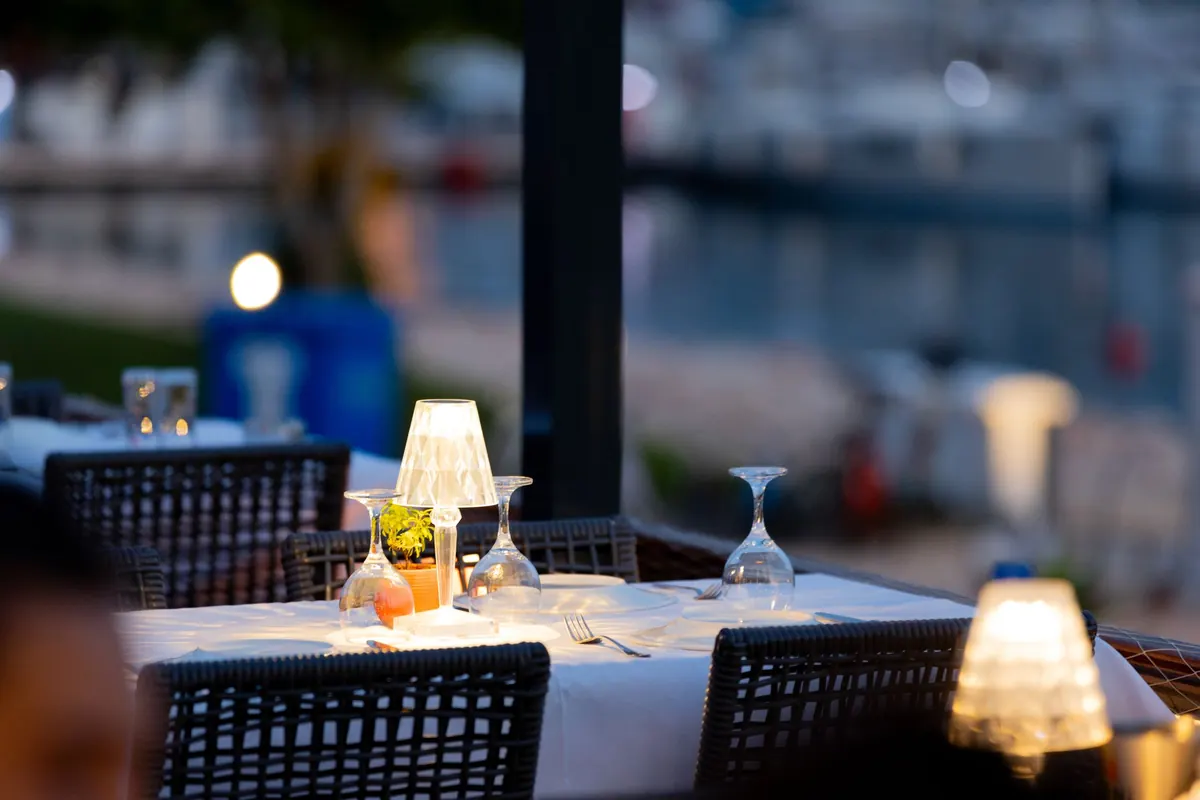
You have the date, the guest of honour, and the outfit. What you don't have yet is the right table — and on the water, the difference between a memorable evening and a soggy, squinting one comes down to details most people never think to ask about.
A waterfront restaurant isn't simply a good restaurant with a view bolted on. The water changes hour by hour, and so does everything around it: the light, the noise, the menu, the walk from the car. Book well and the setting does half the work of the celebration. Book carelessly and you spend the evening apologising for the wind.
This is the one nobody thinks about, and it spoils more waterfront dinners than rain does.
Waterfront means different things at different hours. A table on a floating pontoon at high water sits level with the bay; three hours later the same table looks out over mudflats, exposed rock and a tangle of mooring lines. That isn't automatically bad — some estuaries are beautiful at low tide — but it's a different view, and a different smell, from the one in the photos.
Tide affects sound, too. A light chop slapping against a hull or a pontoon can be a pleasant murmur, or it can be loud enough that your table of eight has to shout. Ask which way the deck faces and how close the water is to the table. Then pull up a local tide chart for your date and check what the water is doing across your whole booking window, not just the moment you arrive.
If you want that classic dining-over-water look, aim for a seating time within an hour or so of high tide. If the tide turns and drops hard mid-meal, ask for a table on the shore side of the deck.
A west-facing deck at sunset sounds romantic. In practice it can mean four people squinting, one holding a menu up like a visor, and every photo backlit into a silhouette.
Ask two questions when you book: which direction does the outdoor seating face, and is there shade — an awning, a pergola, a row of umbrellas — at the hour you're arriving. If the answer is "full sun until it drops", book 45 minutes before sunset rather than at the peak, or request a table on the north or east edge of the deck, where you get the light on the water instead of in your eyes.
If there's a moment you care about — a toast, a proposal, a cake with candles — you want faces visible and the camera pointed away from the sun. Mention it when you book. Good hosts know exactly which tables work for that and will steer you there.
Waterfront kitchens often run on a tighter script than inland ones. Shorter menus, more fried and grilled seafood, a "sunset menu" that ends at a set hour, and a kitchen that closes earlier than the bar.
Before you commit, check:
Menus on restaurant sites go stale. Call and ask what's on this week, then ask the awkward question: "If one of us doesn't eat seafood or shellfish, what would you put in front of them?" A vague answer is useful information.
Waterfront venues sit in the most exposed spot in town. Wind picks up in the afternoon, showers arrive without warning, and a deck that was glorious at five can be cold and damp by eight.
A workable backup looks like this:
Booking for a group? Ask about deposit and cancellation terms at the same time. Waterfront venues in summer often hold tables with card details, and weather that feels like a disaster to you may not count as a valid cancellation reason for them.
View first, everything else second, is how most people book. Then they arrive to find the table beside the service station, the deck is loud, or the railing is at exactly toddler height.
Ask about the table's position: distance from the water, whether there's a railing, how close it sits to the door, the bar, the speakers or the smoking area. At dusk, ask about insects and whether the venue uses coils or screens. In cooler months, ask about heaters and blankets.
Also worth confirming: footwear that suits a boardwalk which is often wet, where the toilets are — some decks have none — and whether they can hold a cake or gifts somewhere cool and safe until the end of the meal.
Five minutes on the phone will tell you more than an hour of scrolling. Say the occasion out loud, give the number in your party, name your preferred seating time, and ask: Which way does the table face? What will the tide be doing? What's on the menu that week? What happens if it rains? Then ask where they would sit if it were their own celebration.
Write down the name of the person you spoke to and the confirmation details. On the day, arrive early and look at the table before your guests do. If it isn't right, ask to move — early is the only moment when that's easy.
Good waterfront dining isn't luck. It's a tide chart, a phone call, and a sensible plan B.
Photo: Ahmet ÇÖTÜR / Pexels
Previous Post
How to Book a Waterfront Table on a Summer Weekend
Next Post
Seasonal Waterfront Event Planning: A Month-by-Month Checklist for Harbour Quarter Hosts