How to Host a Low-Waste Waterfront Picnic: A Local Guide

A low-waste picnic at the water's edge is mostly a question of sequencing. Pick the right window in the tide, decide what you are carrying before you decide what you are eating, and the rest follows: reusable plates instead of a bag of disposables, one bottle of water instead of six, a walk home with an empty tote. It also feels better. Nothing flapping around your ankles, nothing to throw away, more room in the cool box for the things people actually remember.
Here is how to plan one, from the tide table to the last bottle cap.
Tide comes first. On a harbour beach, low water gives you dry sand, exposed rock and a wide edge to spread a blanket on. High water can leave you with nothing but a slipway and someone else's mooring lines. Two hours either side of low tide is usually generous and safe, and it is worth avoiding the hour around high water if your chosen spot is a stone step, a seawall or a narrow pontoon.
Wind matters more than temperature. A fresh onshore breeze will carry paper napkins, paper plates and loose wrappers straight into the water, where they are nearly impossible to retrieve. Set up with a wall, hedge or boat shed at your back, or find the sheltered corner of the quay. Check the harbour noticeboard too — regattas, sailing club races and summer festivals can take over the pontoons and the only picnic table on a Saturday afternoon.
The single biggest reason people fall back on disposables is that they cannot find the plates. Solve that once by keeping a crate permanently loaded in the boot of the car or the bottom of a hallway cupboard. Then packing is a five-minute job.
If you are hosting a group, tell people what to bring in a way that is easy to follow: "bring a cup and a plate" works better than "bring your own everything".
A waterfront picnic is a good excuse to buy from people who can see the water from their door. The quayside fishmonger, the bakery two streets back, the greengrocer, the cheese counter — buying there usually means less packaging by default, because produce comes loose and gets handed over in a paper bag or your own cloth one.
Fill bottles from the tap at home. If you want something cold, a growler from a local brewery or a bottle from the wine shop is a better bet than a case of cans, though do check local rules: some beaches and harbour walls prohibit glass. Buy bread whole and slice it at the picnic; it survives the journey better and generates no crumbs in the car.
Skip anything that arrives individually wrapped. Small packets produce a surprising volume of waste that nobody wants to carry home, and they blow away faster than anything else in the bag.
Wind, sun and a bumpy walk to the water change what works.
Cold roast chicken, frittata or tortilla, a grain salad with the dressing kept in a separate jar, hard cheese, sourdough, whole tomatoes, olives, fruit with a skin — apricots, apples, plums. Cut melon and cucumber at home and keep them in a lidded bowl rather than a bag.
Anything heavy on mayonnaise sitting in the sun, soft serve, delicate pastries, and crisps in a large bag. Decant snacks into a bowl and clip a lid on it, and you avoid the gust that empties the bag into the harbour.
Keep the cool box in the shade with the lid down, and treat two hours out of the fridge as the sensible limit for anything perishable — less on a hot day. If you are feeding anyone with allergies or a weakened immune system, be cautious about shared serving spoons and cross-contact, and follow their advice first.
Weight everything. Fill the water container and set it on the corner of the blanket, or use it to hold the napkin box. Put the cutting board on the lid of the cool box, not in the sand. Tuck the salad bowls into the basket between servings rather than lining them up on the blanket. If your blanket has loops, a few smooth stones will hold the corners without tearing anything.
Serve in courses instead of laying out everything at once. It keeps food cooler, gives people a job, and means there are fewer open containers for the breeze to work on.
Bring the sorting system with you. A corner of the picnic area, set downwind of the food, works fine, and it takes ten seconds per item once the bags are already labelled in your head.
Crush cans, stack plates, close lids. Sorting while you are still sitting down is far easier than doing it over a kitchen bin on Sunday evening. Recycling rules differ from one council to the next, so check your local guidance before you pack the bags.
Before anyone stands up, do a slow loop of the patch. Count the corners of the blanket, look under the board and the basket, and check the sand around where the children were sitting — bottle caps and grape stems hide there. Give everyone a job: one person stacks plates, one walks the rubbish bags to the car, one does the final sweep.
Wipe the plates with the tea towel, empty the water container, and put the whole crate back in the boot as it was, ready for next time. If the harbour bin is overflowing, take your bag home rather than adding to the pile; a single bag in a full bin usually ends up on the foreshore by morning.
Then stand still for a minute and look at the water before you go. That view is the reason you carried the plates in the first place.
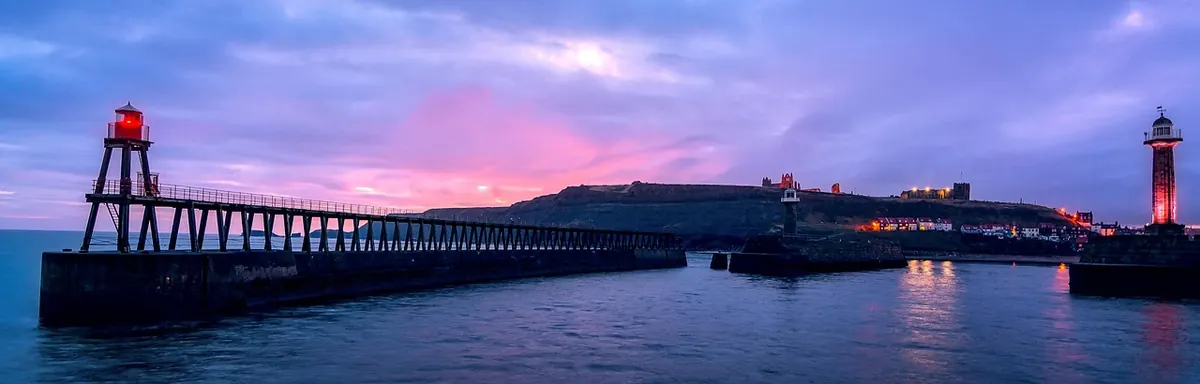
Photo: SophiaMartin / Pixabay
Previous Post
Seasonal Waterfront Event Planning: A Month-by-Month Checklist for Harbour Quarter Hosts
Next Post
Marina Slip Rental vs. Mooring Ball: A Cost and Convenience Comparison for New Boaters